Free delivery on orders over £35*

The game of boccia

Boccia is pronounced 'Botcha' and is organised across the world by CP-ISRA. This is the Cerebral Palsy International Sports and Recreation Association, founded in 1978.

Boccia was introduced into the UK in the early 1980s. It is believed that the game originated in Greece with competitors tossing large stones at a stone target.

When boccia came to the UK, it was solely designed as a sport for those with severe cerebral palsy. Boccia has now developed into a game played by lots of different groups – from just a recreational level up to the intensely competitive Paralympics.

The rules of boccia are set by CP-ISRA and are reviewed every four years, usually just after the Paralympics.

Those playing at an international level follow a 4 year cycle. Every year there’s a major international event. In the first year of the cycle it’s the European Championships, followed by the World Championships, and then comes the World Cup and in the fourth year it’s the Paralympics.

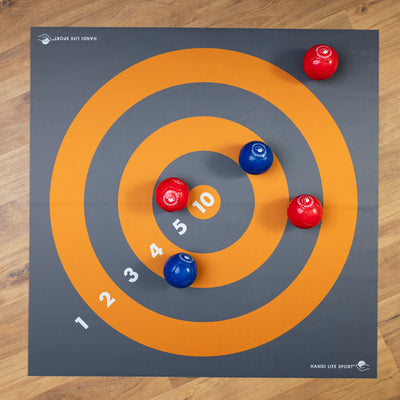
The aim of the boccia game is to get your coloured ball closer to the white marker ball (or jack) than that of your opponent. The game is similar to bowls, petanque or French boules.

Boccia can be played by two people each taking 6 balls each, in two teams of two each person having 3 balls each or as two teams of three.

Boccia is ideal for those with limited strength as it's a non-contact, target driven sport, which relies on skill and subtlety, rather than size, strength or speed.

The game of boccia is a quick game which can be played in just a few minutes without the need for specialised knowledge or skill.

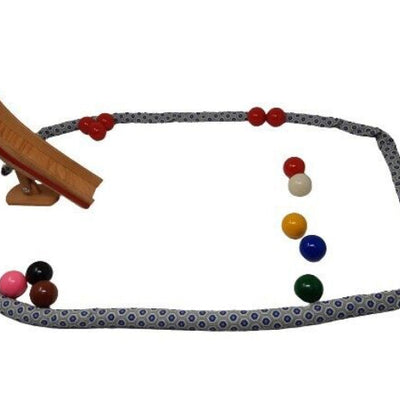
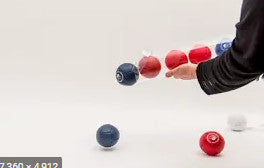
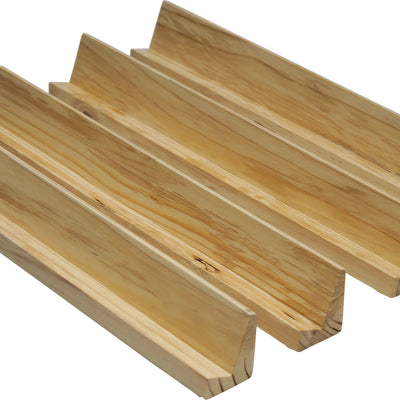
The balls can be thrown, rolled by hand or down a ramp (or chute), or even kicked into the playing area.

For those people who are unable to release a ball down a chute with their hands they can use a device called a head pointer. This enables very severely disabled athletes to release a ball by using a movement of their head.

The game must be played from a seated position, which makes it ideal for either manual or motorised wheelchair users.

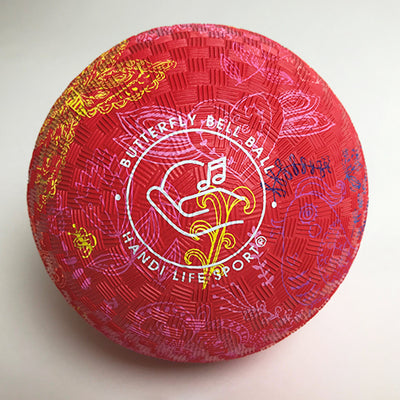
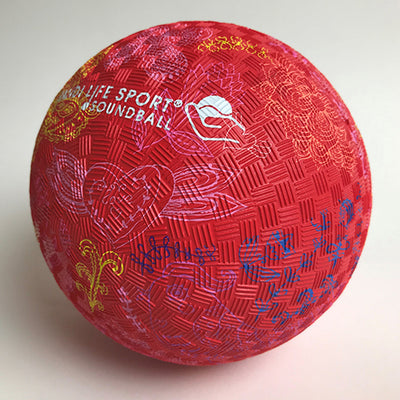
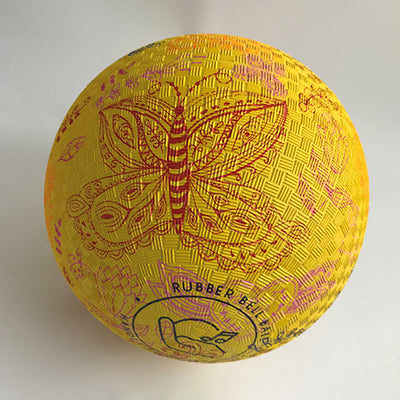
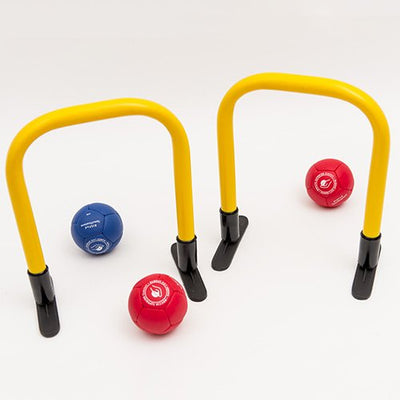
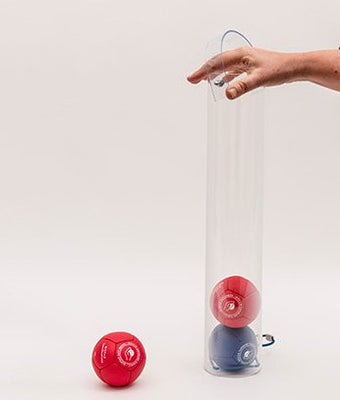
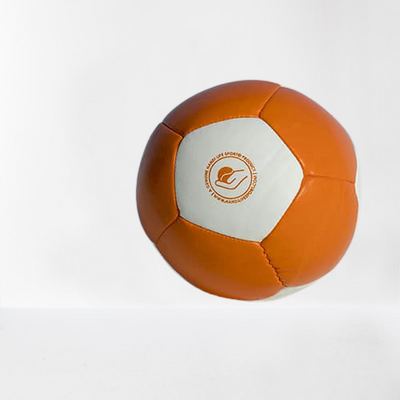
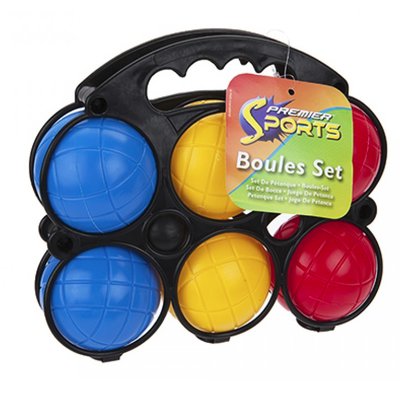
Good quality balls are made from synthetic leather and filled with plastic granulate which makes them pliable and easy to grip and control.

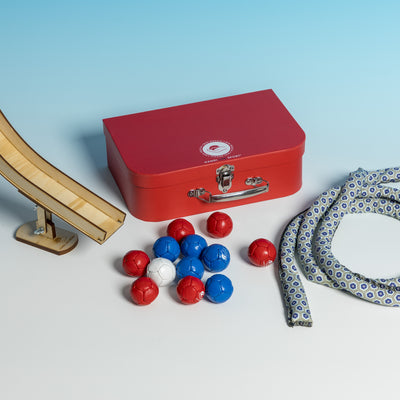
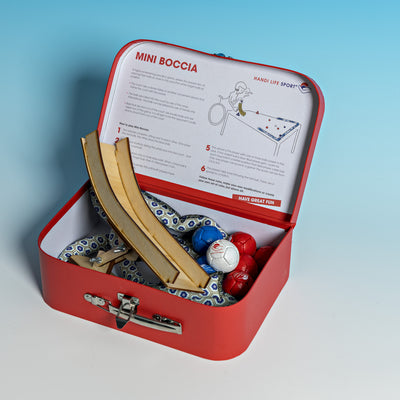
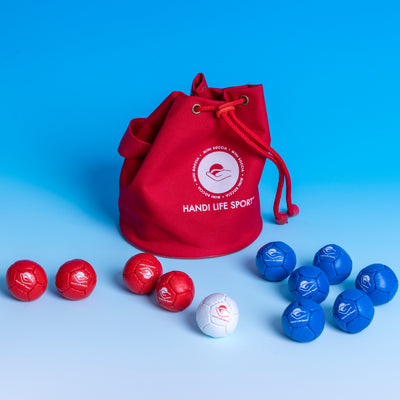
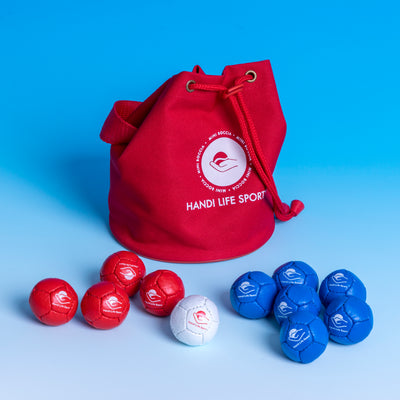
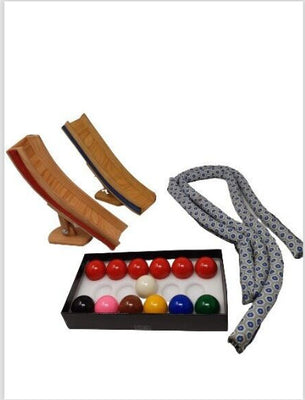
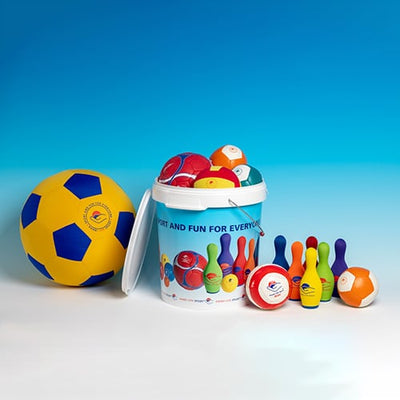
The balls come in sets of 13 - 6 red, 6 blue and 1 white jack ball.

Boccia is usually played indoors and the size of the playing area for competitive boccia is similar in size to a badminton court measuring 12.5 by 6 metres, however when playing just for fun almost any size of space can be used. The playing area used should be flat or smooth – a wooden or tiled floor is perfect. It can also be played on a carpet too, but not at competition standard!

The competition standard playing area or ‘court’ is rectangular and the players need to be in a seated position inside one of the throwing boxes which measures 2.5m in length by 1m in width.

The competitors and their ramp assistants, if they use them, must stay within their own box at all times during the game.

There is an area in front of the throwing boxes which is not valid for the jack to be in. If one team sends the jack into this area, the jack is passed to the opposing team for them to propel the jack ball out into the playing area.

Also, in boccia games at competition level, if the jack ball is accidently knocked outside of the playing area by a red or blue ball, the referee then places the white jack ball on the area shown called the cross. The game can then continue as normal.
If during a game a red or blue ball lands outside of the court or playing area then it is called a 'dead ball' and is placed by the referee into a 'dead ball' tray or area.

Boccia players who require a chute or ramp to help them to aim the ball are allowed to have an assistant with them, who must remain seated or kneeling inside the competitor's box at all times during the game.

To ensure the game is played by the player, and not the assistant, the assistant should face away from the playing area remaining passive at all times apart from moving the ramp as directed by the player. The ramp should be repositioned before each ball is played and should also fit within the player’s box area.

There are 8 classification groups within competition standard boccia:
- Classes 1 to 4 are wheelchair users (class 1 players having the most severe impairments)
- Classes 5 to 8 are ambulant players.
The classifications are used to ensure that the game is both fair and equitable to all those involved.

Before playing any game or taking part in any sport, it is beneficial to warm and stretch muscles and loosen joints and boccia is no exception.

Wheelchair users can go through various stretching exercises, which will be helpful.

There should be a referee for each game who takes all decisions and ensures that the game is played fairly.

At the start of a game the referee should toss a coin, and the winner of the toss can choose which coloured balls they want – either the blue or the red.

The player or team choosing the red balls play the first jack of the match and thereafter players or teams take it in turn to deliver the jack ball.

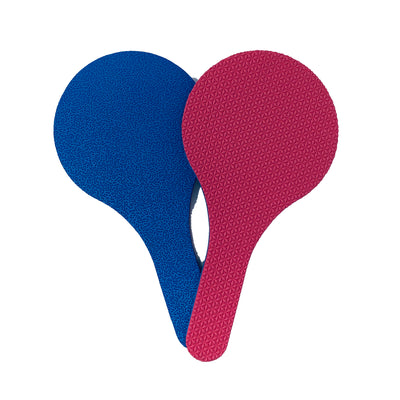
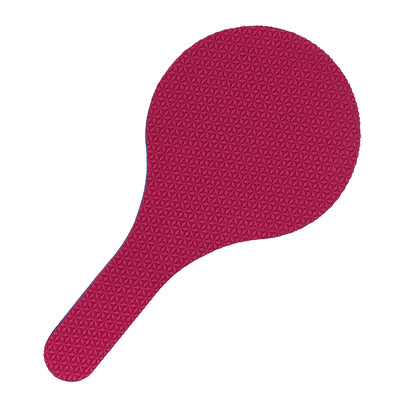
One of the referee's main tasks during the game is to indicate which player or team should be playing next. The referee using a bat, or paddle, which should have 1 red and 1 blue side, usually does this.

In a team game, the red team should occupy playing boxes number 1, 3 and 5 with the blues taking the three vacant boxes.

In a pairs match, the team with the red balls should take boxes 2 and 4 with the blue team in 3 and 5.

For an individual game, red should take box 3 and blue box 4.

Competitive matches comprise of four ends for singles and pairs matches, and 6 ends for team events.

If playing just for fun, the match can last as long as the players wish.

Boccia is being played in recreational, educational and healthcare sectors. Disability groups, schools (both mainstream and special), Primary Care Trusts, the YMCA, Age Concern and other similar organisations have all realised the benefits of the game.